
Office Pod vs Traditional Meeting Room
Office pods and traditional meeting rooms solve different workplace planning needs.
Office pods can support private calls, interviews, one-on-one conversations, small discussions, and selected video meeting use cases. Traditional meeting rooms are still needed for formal meetings, larger groups, longer discussions, training, and client-facing conversations.
The better planning question is how pods and meeting rooms can work together within the same office layout.
Project planning support
Share your use case, pod mix direction, and office layout for review.
Latest spec sheet requestRequest current dimensions and product specifications before confirming the layout.
Layout / BOQ / tender reviewSend drawings, BOQ notes, or tender requirements for project review and recommendations.
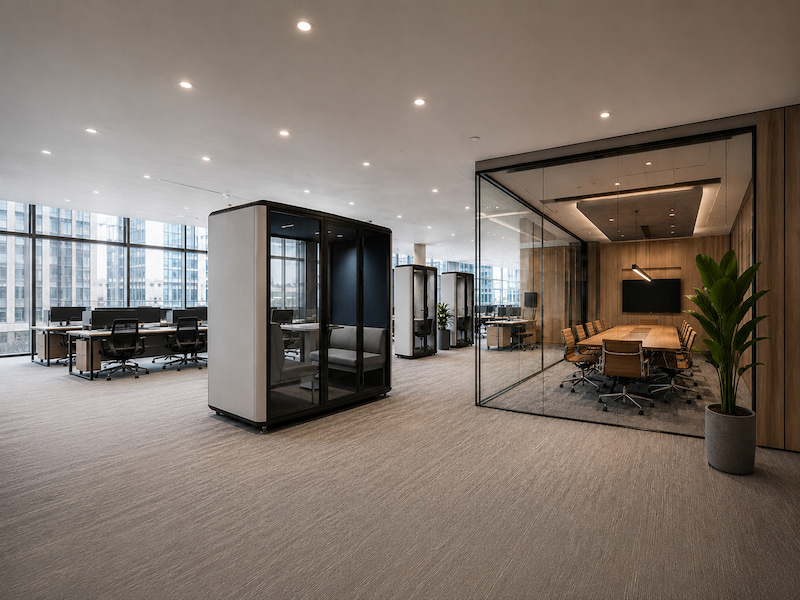
Office Pods and Meeting Rooms Serve Different Planning Roles
Office pods are not simply smaller versions of traditional meeting rooms. They are modular, task-based spaces designed to support frequent, smaller workplace activities.
Traditional meeting rooms remain important fixed spaces for formal meetings, larger groups, longer discussions, and client-facing conversations.
Planning Note:
Office pods can help move calls, interviews, and short discussions out of overbooked meeting rooms, while traditional rooms stay available for larger and more formal meetings.
Compare office pod capacity options
Use Pods for Smaller Tasks That Compete for Meeting Rooms
Office pods are useful when formal meeting rooms are being occupied by too many small, daily tasks. They can support calls, interviews, one-on-one talks, small discussions, and distributed privacy points across the workplace.
Project Planning Note
Before choosing a pod mix, review how many pods may be needed, which capacity direction fits the task, where they will be placed, and whether a layout, BOQ, tender note, latest dimensions, spec sheet, or project review is required.
Some Meetings Still Require a Fixed Room Setting
Office pods are useful for smaller daily tasks, but some meetings still require a formal, fixed, and bookable room environment.
Planning Note
Keep formal rooms for larger and longer meetings. Use office pods for smaller daily tasks that do not need a full meeting room.
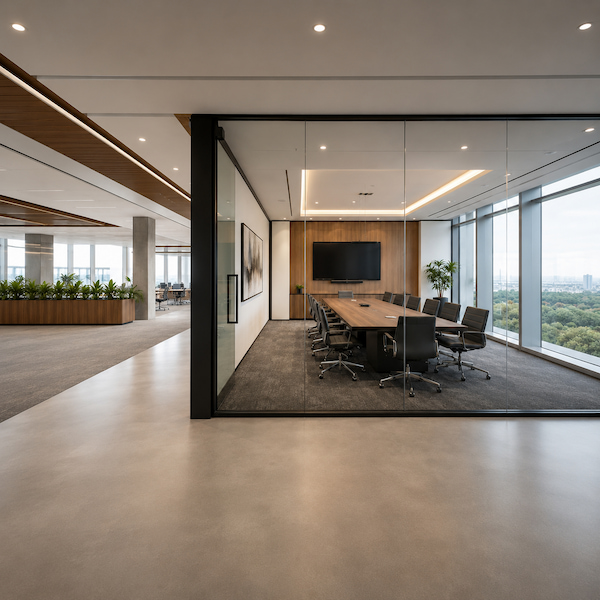
Choose Office Pods, Meeting Rooms, or a Mixed Layout
Choosing between office pods and traditional meeting rooms should start with the task, not just the available floor space.
For many office projects, the best solution is not one or the other. A mixed layout can keep formal rooms available for larger meetings while using pods for smaller, more frequent workplace needs.
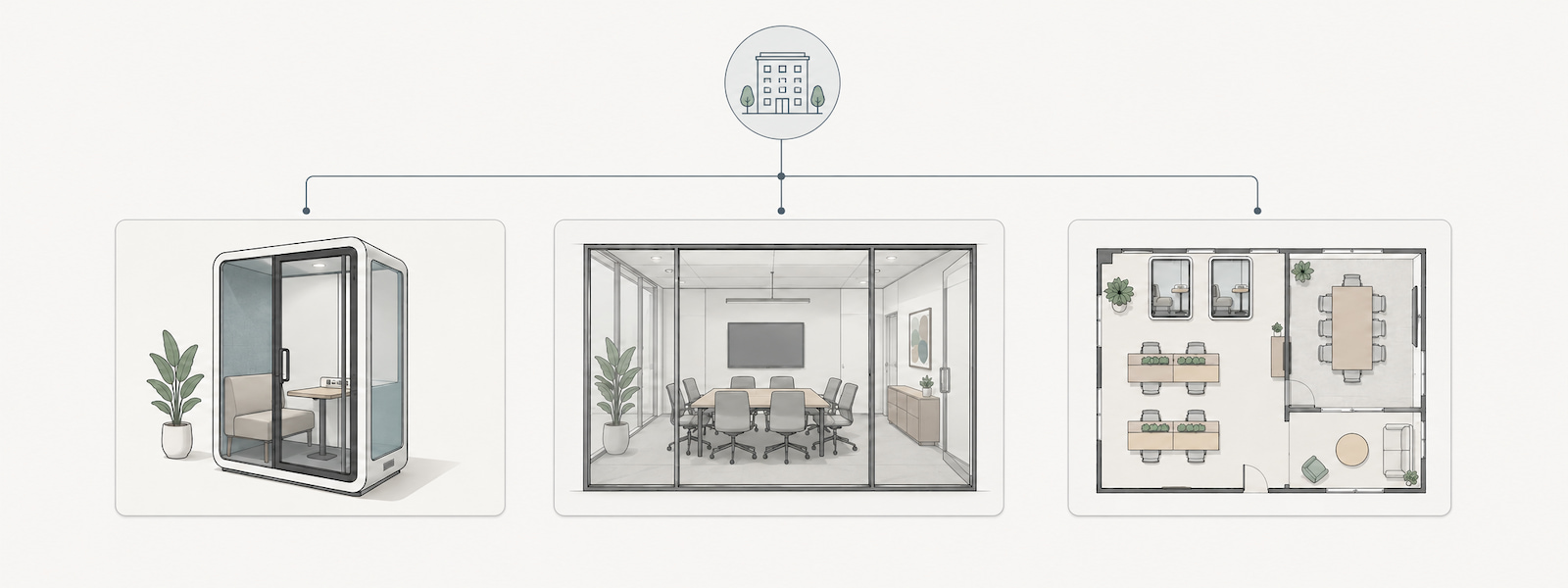
Decision Check
Before deciding the final mix, review use case, group size, meeting duration, formality level, layout constraints, power / network needs, acoustic expectations, and current spec sheet information.
For project planning, buyers can also prepare layout drawings, BOQ details, tender notes, quotation scope, and project budget direction before requesting a recommendation.
Use Office Pods as Task-Based Meeting Room Supplements
Office pods can support meeting room planning when each capacity is matched to the right task. This section should be used as a routing guide only. Full capacity comparison and final pod mix planning should be reviewed through the capacity selection guide or a project layout review.
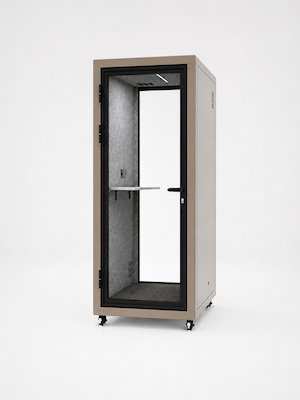
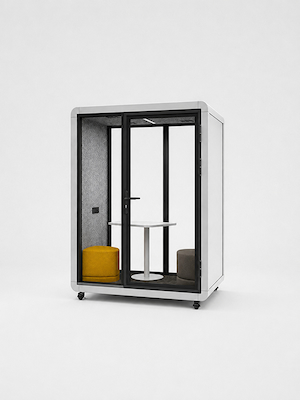
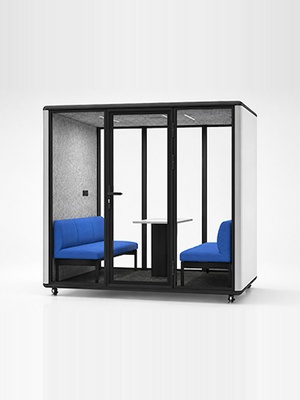
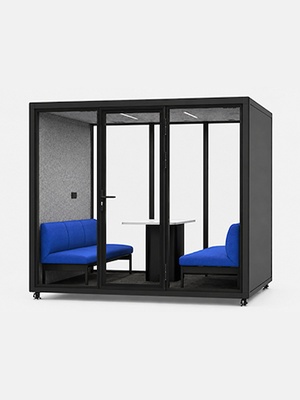
Different pod capacities can support different small workplace tasks, from private calls and interviews to small meetings and team discussions. For full 1P / 2P / 4P / 6P comparison, buyers should use the office pod capacity selection guide.
Capacity Planning Note
Start with the task, not only the floor space.
Before choosing a pod mix, review user count, task type, meeting duration, usage frequency, placement, available floor area, power / socket / network needs, latest dimensions, spec sheet needs, and quote request preparation.
Prepare Your Project Details Before Comparing Pods and Meeting Rooms
Before requesting a layout recommendation, spec sheet, or project quote, share the key details needed to review whether your project needs office pods, traditional meeting rooms, or a mixed layout.
Quote Preparation
Prepare quantity, configuration needs, project budget direction, and EXW or FOB quotation preference.
Request the latest dimensions and spec sheet before final layout confirmation.
Avoid the Wrong Office Pod vs Meeting Room Decision
Office pods and traditional meeting rooms work best when each space is planned for the right task. Use these common mistakes and FAQs to avoid choosing the wrong pod mix, layout, or project direction.
Office Pod vs Traditional Meeting Room FAQ
What is the difference between an office pod and a traditional meeting room?
An office pod is a modular, task-based enclosed space for smaller daily needs. A traditional meeting room is a fixed room setting for larger, longer, more formal, or client-facing meetings.
Can office pods replace traditional meeting rooms?
Not completely. Office pods can supplement meeting rooms by handling smaller, frequent tasks, while traditional rooms remain important for formal, larger, longer, or client-facing meetings.
Are office pods better than meeting rooms?
They are better for certain tasks, but not for every meeting need. Pods are useful for private calls, interviews, one-on-one talks, selected video meetings, and small discussions. Meeting rooms are still better for structured, larger, and more formal meetings.
Should offices use both pods and meeting rooms?
Many offices benefit from using both. Pods support daily small tasks near work areas, while meeting rooms stay available for larger and more formal meetings.
When should a company choose office pods instead of adding more fixed meeting rooms?
Before adding more fixed rooms, review whether the pressure comes from calls, interviews, one-on-one talks, short meetings, or small project discussions. If so, pods may support those smaller task-based needs.
How do 1P, 2P, 4P, and 6P pods support meeting room planning?
1P supports individual calls and focused work. 2P supports interviews and one-on-one talks. 4P supports small meetings. 6P supports team or project discussions as a meeting room supplement, while larger formal meetings should stay in traditional rooms.
What should buyers prepare before requesting a recommendation or quote?
Buyers should prepare layout information, expected use cases, pod mix direction, preferred model or appearance direction, quantity, destination country, configuration needs, power / socket / network needs, acoustic review needs, latest spec sheet request, and EXW or FOB quotation preference.
Request an Office Pod vs Meeting Room Recommendation
Helpful Planning Routes
Compare Office Pod Capacity Options
Review 1P, 2P, 4P, and 6P capacity directions before choosing a final pod mix.
Plan Pods for Open Offices
Use this when the project needs privacy points inside open office areas or shared workspaces.
Review Office Pods for Video Conferencing
Use this when the project includes individual video calls, hybrid meetings, remote interviews, or small online discussions that need a more controlled pod environment.
Review Speech Privacy and Configuration Needs
Use this when acoustic expectations, glass, ventilation, power, socket, network, color, or optional functions need to be reviewed before quotation.
Review an Education Campus Booth Project Example
Use this when you want to compare office and campus project references for pod mix planning, privacy points, and meeting-room supplement layouts.
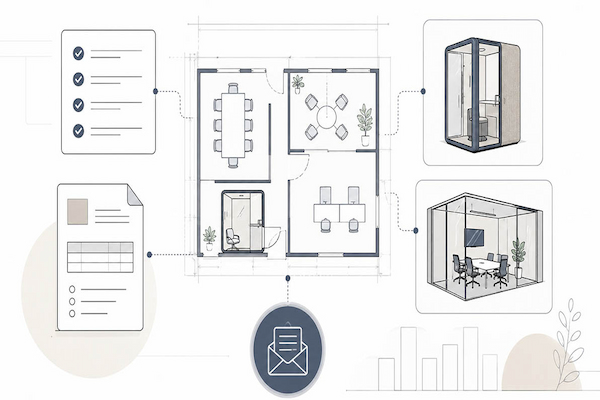
Planning office pods and traditional meeting rooms together starts with the right project information.
Share your layout, BOQ or tender notes if available, expected use cases, pod mix direction, configuration needs, power / socket / network requirements, speech privacy review needs, destination country, latest dimensions or spec sheet request, and EXW or FOB quotation preference.
Office pods can support smaller task-based needs and reduce pressure on traditional meeting rooms, while traditional meeting rooms should still be kept for formal, larger, longer, or more permanent meeting requirements.